Why Does My Dog Keep Getting Ear Infections? Understanding the Underlying Cause
When a dog's ear infection returns soon after treatment, the infection itself may be only part of the problem. Allergies, moisture, ear anatomy, parasites, foreign material, and other medical conditions can change the ear canal and allow yeast or bacteria to multiply. A veterinary examination helps identify the organism involved, relieve discomfort, and build a prevention plan around the underlying cause.
Category: Dogs
Written by: Lili Veterinary Hospital Care Team
Reviewed by: Henry uzo, DVM
Common reasons ear infections keep returning
Allergies are a frequent underlying cause of recurrent ear inflammation. Environmental allergens and food allergies can weaken the ear canal's normal protective barrier, making it easier for yeast or bacteria to overgrow.
Moisture after bathing or swimming, heavy or narrow ear canals, excess hair, ear mites, foreign material such as plant awns, and growths inside the canal may also contribute. Less commonly, hormonal or immune-related disease can affect the skin and ears.
What your veterinarian may check
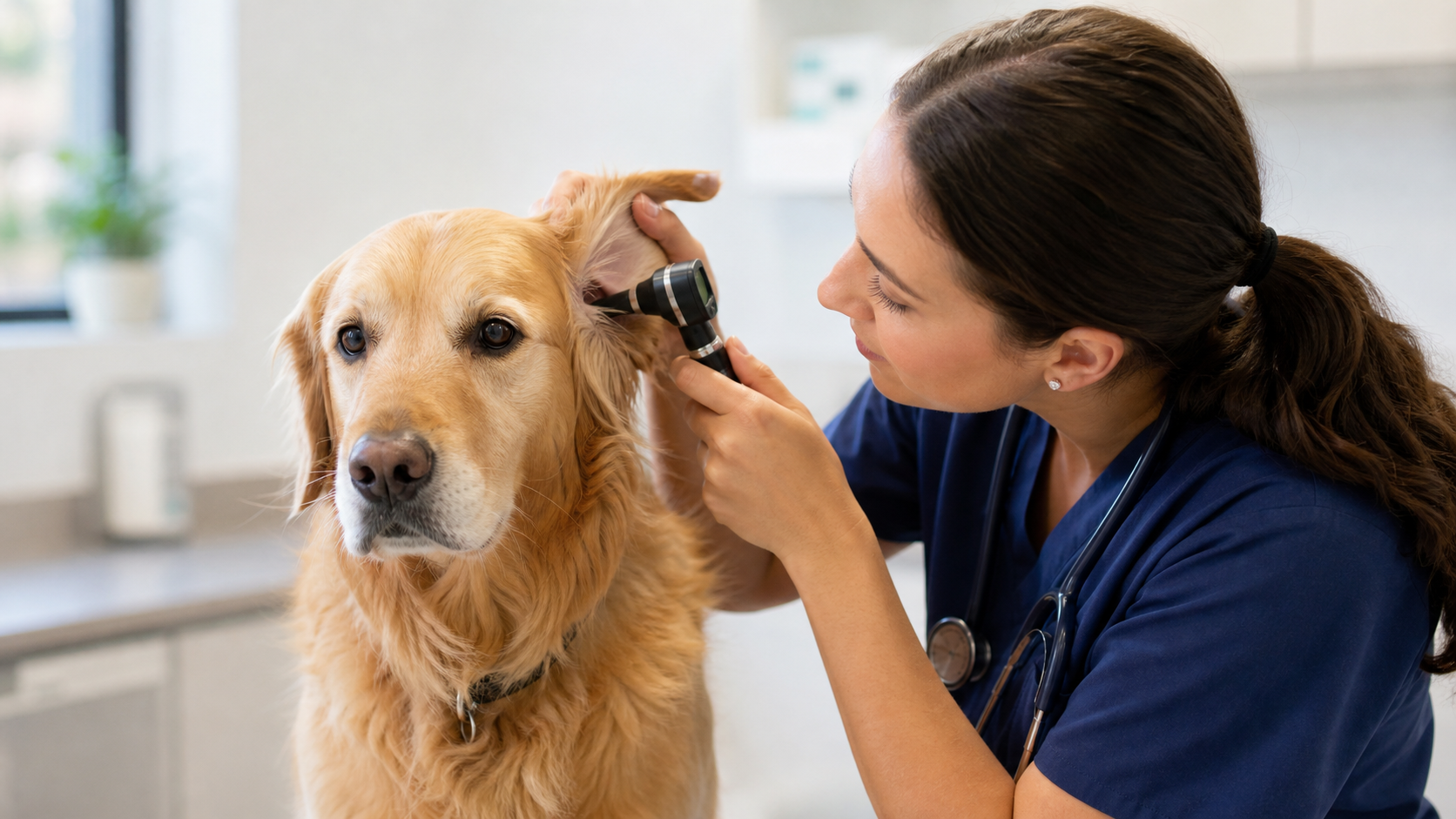
Your veterinarian will look at the ear flap and canal, assess pain and swelling, and use an otoscope when the ear is comfortable enough to examine. A sample of debris may be viewed under a microscope to look for yeast, bacteria, inflammatory cells, or mites.
Persistent or severe cases may need a culture, a more thorough examination under sedation, imaging, or testing for allergies and other medical conditions. These steps help avoid repeating medication that does not address the organism or underlying trigger.
Treatment is more than ear drops
Treatment depends on the examination and test results. It may include careful cleaning, medication for yeast or bacteria, and relief for inflammation and discomfort. Some dogs also need treatment for allergies, parasites, or another contributing condition.
Use only products recommended for your dog. A damaged eardrum changes which cleaners and medications are safe, and leftover medication may not treat the current problem. Finish treatment as directed and attend the recheck even when the ear looks better.
Reducing future flare-ups
A prevention plan may include scheduled ear checks, a veterinarian-approved cleaning routine, keeping ears dry after swimming or bathing, and consistent management of diagnosed allergies. The right schedule varies by dog; cleaning too often or with the wrong product can irritate the canal.
Watch for early changes such as head shaking, scratching, odor, redness, or increased debris. Prompt evaluation can make a flare-up easier to treat and may prevent chronic changes to the ear canal.
When your dog needs prompt care
Contact a veterinarian promptly if your dog has significant ear pain, swelling, bloody or pus-like discharge, a strong odor, repeated head shaking, or symptoms that return after treatment.
Seek urgent care for a head tilt, loss of balance, unusual eye movements, facial drooping, vomiting with balance problems, sudden hearing changes, severe lethargy, or rapidly increasing swelling. These signs can indicate deeper ear involvement or another condition that needs timely assessment.
Frequently asked questions
Can I treat my dog's ear infection at home?
A veterinary examination is recommended before treatment because similar symptoms can have different causes, and some products are unsafe if the eardrum is damaged. Avoid peroxide, alcohol, essential oils, and leftover medication unless your veterinarian specifically directs their use.
Why did the infection come back after ear drops?
Medication may control the yeast or bacteria without resolving the inflammation that allowed it to grow. Allergies, moisture, anatomy, foreign material, resistant organisms, and incomplete treatment are among the reasons a flare-up may return.
Should I clean my dog's ears every week?
Not every dog needs the same cleaning schedule. Your veterinarian can recommend a product and frequency based on your dog's ear anatomy, skin health, activities, and history. Excessive cleaning can irritate healthy ears.
Are recurring ear infections an emergency?
Most require a timely veterinary appointment rather than emergency care. Seek urgent evaluation if your dog develops severe pain, a head tilt, balance problems, unusual eye movements, facial drooping, marked swelling, or sudden hearing changes.